

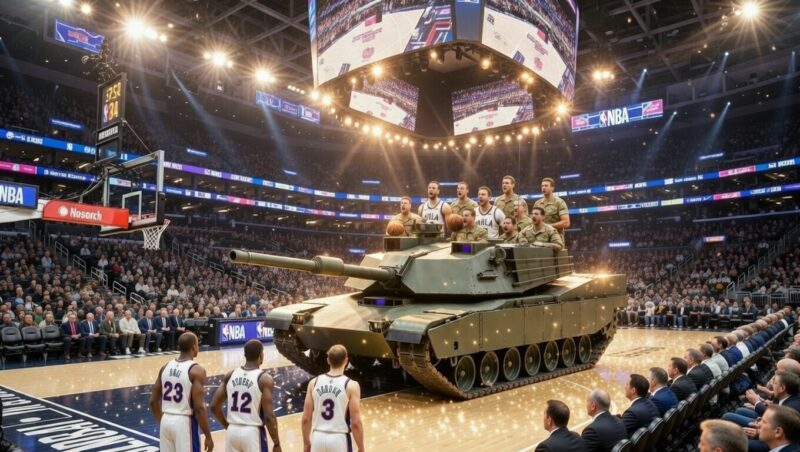
If you’ve been following the NBA for any length of time, you’ve probably heard the term “tanking” thrown around, especially towards the end of the regular season when some teams seem to just give up trying to win games. Tanking is basically when a team intentionally loses games to improve their chances in the draft lottery, hoping to snag a high pick that could turn their franchise around with a star player. But while it’s a strategy that’s been debated endlessly in league circles, what often gets overlooked is how it messes with sports betting, and whether bettors like you and me should steer clear of wagering on those suspect matchups altogether. In this article, we’re diving deep into how tanking affects betting lines, game predictability, and your bankroll, and I’ll argue that yeah, you might want to be really cautious or even avoid it sometimes because the risks can outweigh the rewards if you’re not careful.
Understanding NBA Tanking
Tanking isn’t new to the NBA, it’s been around since the draft lottery system was put in place back in 1985 to discourage teams from losing on purpose, but ironically, it kind of encouraged it in a way because the worse your record, the better your odds at the top pick. Teams tank by resting key players under the guise of “load management” or injuries that seem a bit too convenient, playing rookies or G-League call-ups more minutes than they probably should, or just flat-out not coaching with the intensity you’d expect in a professional game. Take the Philadelphia 76ers in the mid-2010s, their “Process” era where they openly embraced losing to build through the draft, picking up guys like Joel Embiid and Ben Simmons, but along the way, they lost a ton of games that looked suspiciously lopsided. The league has tried to crack down with lottery reforms in 2019, flattening the odds so the absolute worst team doesn’t get as big an advantage, but tanking still happens every season, especially among the bottom-feeders like the Pistons or Wizards in recent years who are chasing the next big prospect. It’s not illegal, but it’s frowned upon, and for bettors, it introduces this layer of uncertainty because you’re not just betting on talent and form anymore, you’re betting against a team’s hidden agenda.
Notable Cases of Tanking in the NBA
To really grasp how tanking plays out, let’s look at some real examples that have left bettors scratching their heads. Back in the 2011-12 season, the Charlotte Bobcats set a record for futility with a 7-59 record, and while not everyone agrees it was deliberate, their late-season collapses sure smelled like tanking to secure the No. 1 pick, which they used on Anthony Davis, wait no, they actually got the second pick that year but still, the point is their games became unpredictable blowouts. More recently, the Oklahoma City Thunder in 2020-21 rested stars like Shai Gilgeous-Alexander way more than necessary, finishing with a poor record that landed them high draft picks, and bettors who laid money on them as underdogs often got burned when the team didn’t even try to cover spreads. Or consider the 2022-23 season when teams like the Spurs and Rockets were in a race to the bottom for Victor Wembanyama, the French phenom, and you’d see lineups that made no sense, leading to games where favorites steamrolled them by 30 points, but sometimes those tanking teams would accidentally win, screwing over anyone who bet the over/under or the spread. These cases show that tanking isn’t always obvious until it’s too late, and that’s where the betting headaches start.
The Impact on NBA Games
When a team decides to tank, it doesn’t just affect their win-loss record, it warps the entire game dynamic, making outcomes harder to predict than a coin flip in a windstorm. Star players sit out with vague “soreness” excuses, rotations get weird with bench guys playing starter minutes, and defensive effort drops off a cliff because why bother when losing helps more than winning. This leads to blowouts where the tanking team gets crushed, or occasionally, upsets if the other team takes it easy thinking it’s a gimme win. For instance, in tanking scenarios, scoring can plummet because the bad team isn’t pushing the pace, or it can skyrocket if they’re just running and gunning without any real strategy. Turnovers spike, shooting percentages tank—no pun intended—and the overall product on the court looks sloppy, which directly feeds into betting props like player points, rebounds, or team totals. Bettors who rely on stats from earlier in the season get thrown off because those numbers don’t hold up when motivation changes, and suddenly a guy averaging 20 points is riding the pine while some unknown is jacking up threes. It’s like the game shifts from being about skill to being about who’s trying less, and that unpredictability is a nightmare for anyone trying to make informed wagers.
How Tanking Influences Betting Lines
Sportsbooks aren’t dumb, they adjust lines when tanking suspicions arise, but even they can’t always get it right, which creates both opportunities and traps for bettors. Typically, if a team is rumored to be tanking, their spreads as underdogs get inflated, meaning you might see them as +15 when normally it’d be +8, because oddsmakers expect them to lose big. Moneyline odds skew heavily towards the favorite, and over/unders drop if the tanking team is known for low-effort defense. But here’s the catch: sometimes the market overreacts, and if the tanking team accidentally competes, you could cash in on a big underdog payout, though that’s rare and risky. In the 2023-24 season, for example, the Portland Trail Blazers were in tank mode after trading Damian Lillard, and their lines reflected that, with favorites often covering easily, but there were games where they covered as huge dogs just because the opponent had a back-to-back or injuries of their own. Public betting tends to pile on the favorites in these spots, moving lines further, so sharp bettors might find value fading the public, but for casual folks, it’s easy to get sucked into what looks like a sure thing only to watch the tanking team phone it in even more than expected. The key is monitoring injury reports and lineup announcements closely, because tanking often hides behind “DNPs” for key players, and if you’re not on top of that, your bet is basically a guess.
Why Bettors Should Be Cautious
Alright, let’s get to the meat of it: tanking makes betting a minefield, and if you’re not extremely careful, you could lose your shirt faster than a bad beat on a parlay. The biggest issue is the lack of transparency—teams don’t announce they’re tanking, so you’re left reading tea leaves from coach speak, social media rumors, or sudden roster changes, and even then, you might be wrong. This uncertainty amps up the variance, meaning your edge as a bettor shrinks because models based on regular-season data don’t account for deliberate underperformance. Plus, in-play betting gets tricky; you might jump on a live line thinking the tanking team is mounting a comeback, only for them to wave the white flag in the fourth quarter. Emotionally, it’s frustrating too, watching a game where one side isn’t competing feels like a rip-off, and if you’re betting for fun, that sucks the joy out of it. From a financial standpoint, the house edge is already there, and tanking tilts it further against you unless you’re a pro with inside info, which most of us aren’t. I’ve seen friends chase losses on tanking games, thinking “this time they’ll try,” but more often than not, they don’t, and you end up down units wondering why you didn’t just sit it out.
Betting Strategies in the Face of Tanking
If you’re dead set on betting despite the risks, there are ways to navigate tanking waters without drowning, but it requires discipline and research that goes beyond just glancing at the odds. First off, focus on early-season games before tanking ramps up, usually post-All-Star break is when it gets bad, so maybe fade late-season matchups involving lottery-bound teams altogether. Use advanced stats like net rating adjusted for opponent strength, but cross-reference with motivation factors—check if a win helps playoff seeding or if a loss boosts draft odds. Prop bets on the non-tanking team can be safer, like over on a star’s points if they’re facing a weak defense that’s not trying, but avoid player props on the tankers because minutes are unpredictable. Some bettors swear by betting unders in tanking games since effort lags, leading to lower scores, or teasing favorites to cover bigger spreads, but even that’s not foolproof. Tools like Twitter for real-time updates or sites tracking draft lottery odds can help spot tanking red flags, and always shop lines across books because discrepancies can highlight where the market smells something off. Ultimately, bankroll management is key—don’t risk more than 1-2% per bet on these shaky games, and if in doubt, pass, because there’s always another slate tomorrow.
Final Thoughts: Avoid or Proceed with Caution?
So, does NBA tanking mean you should flat-out avoid betting on those games? In my opinion, yeah, for most bettors, it’s smarter to be very cautious and often skip them, especially if you’re not deep into the analytics or don’t have the time to monitor every little detail like player availability or front-office incentives. The league is trying to minimize tanking with play-in tournaments and lottery changes, but it’s still there, injecting chaos that can turn a solid handicapping job into a crapshoot. If you do bet, treat it like high-risk gambling, not a sure edge, and remember that while a big win on a tanking underdog feels great, the losses sting more when you realize the game was rigged against trying. At the end of the day, sports betting is about finding value, and tanking muddies that water so much that sometimes the best bet is no bet at all. Keep an eye on how the NBA evolves, but for now, proceed with extreme care—your wallet will thank you.

